NaukNauk: Bring Fandom to Life
- 4.4
- Rating
- 1.00M
- Installs
- Free
- Price

 Analysis by App-foxy
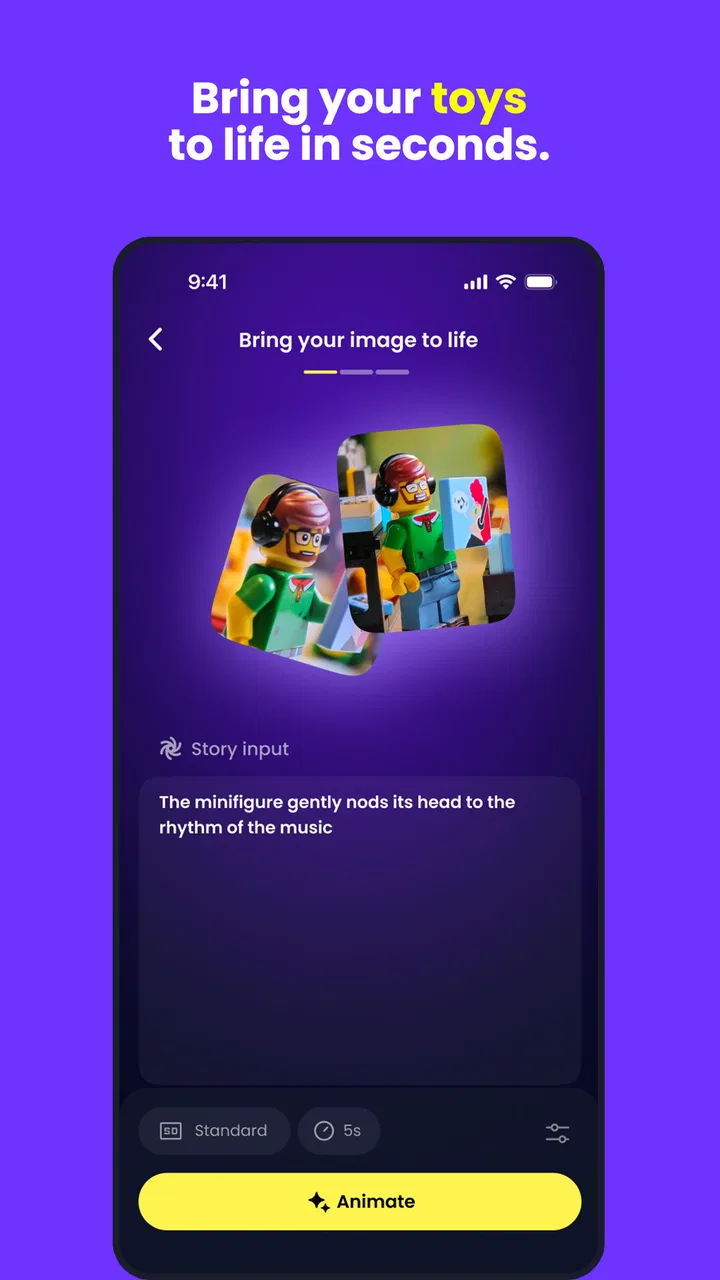
I approached NaukNauk as an entertainment app for people who enjoy collecting around their favorite fandoms rather than as a conventional streaming or social platform. Its central idea is easy to understand: bring your interests together, connect with other fans, and add an animated layer to the experience. That combination gives it a more playful identity than a simple catalog of videos, posts, or merchandise.
My first impression was that the app is aimed at users who like the feeling of discovering and organizing fan-related items. The appeal is less about finishing a single task and more about returning to a personal collection, exploring something new, or sharing enthusiasm with people who understand the same references. If that sounds like your kind of entertainment, it has a clear reason to exist. If you want a focused utility or an app that gets out of the way immediately, its fandom-centered approach may feel less useful.
How NaukNauk feels during everyday use
I find NaukNauk easiest to judge when I treat it as a place to dip into fandom, not an app that must replace my usual entertainment routine. A practical way to test whether it suits you is to notice which part you naturally return to: browsing, tending a collection, or connecting over shared interests. That distinction helps clarify what you want to check next: how much trust and control you need before making it part of your routine.
You May Also Like

 Google Keep - Notes and lists
Google Keep’s Quiet Growth Shows the Appeal of Simpler Notes
As mobile work gets busier, Google Keep keeps winning a simple contest: capture a thought quickly, find it later, and get on with the day.

 Blood Strike: 2.5 Anniversary
Blood Strike’s Loadouts Turn Every Drop Into a Tactical Gamble
A close look at Blood Strike’s custom loadouts: how fast access to signature weapons reshapes its battle royale rhythm, rewards preparation, and narrows the gap between fights.

 Pandora - Music & Podcasts
Pandora’s Music Is Easy to Start, but Harder to Recover
Pandora’s strength is its low-effort path from a seed to a station. Its weak spot is how much confidence it asks you to place in connection, setup, and quiet recovery.

 8 Ball Pool
 Is Built on Rivalries, Rematches, and Routine
A close look at the rivalries, rematches, shared routines, and unanswered safety questions that turn a quick pool match into a persistent mobile community.

 Samsung Music
’s Quiet Strength Is Playing What You Already Own
Its reach comes less from spectacle than from dependable access to a personal library. That simplicity is both the app’s strongest retention engine and its ceiling.

 AccuWeather: Weather Radar
AccuWeather Review: A Quick, Clear Forecast for Everyday Decisions
For everyday plans, the best forecast is the one you can understand quickly. AccuWeather makes rain timing, radar, and local conditions easy to act on, with a few trade-offs.
More From Our News Desk



A quick start, with expectations kept realistic
On Android, the app supports devices running Android 7.0 or later, which makes it accessible to a broad range of phones and tablets. I would still separate compatibility from perceived speed. A device being able to install an app does not automatically mean every screen will feel equally smooth, especially when an entertainment product combines visual content, collection browsing, social interaction, and animation.
In normal use, I would expect the most comfortable experience on a reasonably modern device with enough free storage and memory. That is not a criticism unique to NaukNauk; animated entertainment apps generally ask more from a phone than a plain text-based community. Older hardware may still run it, but transitions, loading between content areas, or returning from another app can feel less immediate.
The current version is 1.2.64, so the app is already beyond its earliest release stage. That matters because a product built around collecting and connecting needs ongoing refinement: navigation has to remain understandable as more content is added, and returning users should not feel that their personal activity has become difficult to manage. I found the version information reassuring, but I would still keep the app updated because improvements in this kind of product often affect stability and compatibility more than the basic concept.
One useful habit is to open it when you have a reliable connection and a few uninterrupted minutes, rather than treating it like a tiny utility you launch for a two-second check. That approach reduces the frustration of starting an animated or content-heavy session while moving between weak networks. It also suits the app’s personality: NaukNauk rewards browsing and discovery more than rushed tapping.
What happens when the app gets busy
The heavier moments are likely to come when several parts of the experience overlap: browsing a collection, opening animated material, and moving into a connected fan activity without giving the phone time to settle. On a newer device, that should be a manageable workload. On an older or crowded phone, those transitions are the places where I would pay attention to pauses, reloads, or the app returning to an earlier screen.
My practical advice is to avoid judging the app from a single slow opening. Entertainment apps can take longer when they first prepare visual content, and a second visit may feel different from the first. At the same time, repeated reloads during ordinary browsing would be a meaningful weakness because collecting depends on a sense of continuity. If I am arranging or exploring something, I do not want to wonder whether my last action was accepted.
A good workflow is to browse in smaller sessions. I would first look through the available fandom material, then spend time with the collection itself, and only afterward focus on connecting or sharing. Separating those activities makes it easier to notice where any slowdown occurs and avoids turning one busy session into a confusing mix of loading screens and unfinished actions. It is also a sensible way to conserve battery on a phone that is already handling animation.
Another trade-off is visual ambition. Animation can make a collection feel alive and give the app a stronger emotional pull than static lists, but it can also demand more resources than a basic fan forum. Users who value atmosphere will probably accept that exchange. Users who mainly want fast text updates may prefer a lightweight community app or a social network where fandom discussion is the primary activity.
Reliability and recovering from interruptions
For me, reliability in a collection-focused app is not just about whether it opens. It is about whether I can return after a call, a notification, or a brief network interruption and understand what happened. A dependable experience should make it clear whether a collection action was completed, whether a connection attempt needs repeating, and whether the app has preserved my place.
I would therefore use a cautious rhythm when performing important actions: wait for the interface to visibly respond before tapping again, especially if the screen appears busy. Repeated taps are a common way to create uncertainty in any interactive app, and they are particularly unhelpful when the user is managing collectible content. This small habit can prevent duplicate attempts and makes recovery easier if the network hesitates.
If NaukNauk closes unexpectedly or resumes on a different screen, I would first revisit the collection area rather than immediately repeating everything. That is a simple recovery check: confirm what is already present, then continue from there. I prefer this approach to assuming that a missing animation or delayed screen means the action failed. It takes a few seconds and protects against unnecessary repetition.
The app’s popularity gives it a useful sign of user interest. It has passed 500 thousand installs and holds a 4.6 average from around 6.3 thousand ratings, with 425 written reviews. Those figures do not guarantee a perfect experience on every device, but they suggest that the concept has found an audience and that enough people have spent time with it to form a clear overall impression.
Still, I would not confuse a strong average rating with universal reliability. A fan app can work well for one person and feel awkward for another because device age, connection quality, and expectations differ. Someone using a newer phone on a stable network may see a much smoother experience than someone running it alongside several demanding apps on older hardware.
Battery, storage, and older-device considerations
NaukNauk is free to install, which makes trying it low-risk from a financial standpoint. The more important question for some users will be resource use. Animated content and repeated browsing can consume more battery than a static discussion board, particularly during a long session with the screen kept bright. I would not leave it open in the background unnecessarily, and I would close a session when I am finished rather than treating it like an always-on dashboard.
Storage is another practical consideration. A collection experience can become more demanding as a user spends more time with it, even when the initial installation feels manageable. I would keep some spare space on the device and occasionally check whether the app remains comfortable alongside photos, videos, and other entertainment products. Phones with very limited free storage are more likely to struggle generally, so NaukNauk may expose that constraint sooner than a simple text app.
The Android 7.0 minimum is helpful for accessibility, but people with older phones should keep their expectations measured. Basic compatibility means the app can target those devices; it does not promise modern animation performance or identical responsiveness. If your phone already stutters while switching between ordinary apps, NaukNauk is unlikely to feel like a performance upgrade.
I would also consider screen size. A larger display may make collecting and exploring more comfortable, while a small phone can make animated details and navigation feel crowded. That is not a reason to avoid it, but it changes the best use case. On a compact device, short sessions may be more enjoyable than extended browsing, especially if you are trying to conserve battery or avoid eye fatigue.
Where it fits among entertainment alternatives
The usual alternatives depend on what you want from fandom entertainment. A streaming service is better when your goal is watching a specific show or film from beginning to end. A conventional social network is stronger for rapid conversation and broad discovery. A fan forum may offer deeper discussion, while a marketplace is more practical if buying and selling physical collectibles is the main purpose.
NaukNauk sits in a different space. Its value comes from combining collection, connection, and animation into one fan-oriented activity. That makes it more engaging than a plain list, but potentially less efficient than a specialist service. I would choose it when I want to interact with my interests in a playful way, not when I need a complete replacement for streaming, messaging, or shopping.
This distinction helps explain who should skip it. If you dislike collecting systems, have no interest in animated presentation, or only want direct access to entertainment content, the app may feel like an unnecessary layer. Likewise, users who prefer private, quiet consumption may not get much from the connection-oriented side. The better alternative for them is likely a focused media app or a simple offline library.
On the other hand, it is a good match for someone who enjoys revisiting favorite themes, discovering related fan material, and sharing that enthusiasm in a more visual setting. It can also suit a casual user who wants an entertainment app that is not limited to passive watching. The important point is to see it as an interactive fandom space rather than a general-purpose content provider.
Payments and how to approach the free experience
There is no charge to download the app, but it includes optional in-app purchases ranging from $4.99 to $99.99 per item. That wide range makes it worth deciding on a personal spending limit before becoming deeply involved in collecting. The free entry point is useful for testing whether the browsing and connection experience actually holds your attention before you spend anything.
I would treat purchases as an enhancement rather than a requirement during the first sessions. Explore the app, understand how the collection feels, and decide whether the animated and social elements add enough value for you. This is especially important for younger users because the content rating is Teen and optional purchases can make an otherwise free app more expensive over time.
For families, I would discuss purchasing expectations in advance and use the device’s normal purchase controls where appropriate. The app’s entertainment appeal can encourage impulse decisions when a favorite fandom is involved. A short pause before buying is useful: ask whether the item improves how you use the collection or whether the attraction is simply the excitement of the moment.
The developer is NaukNauk, and the app was released on May 25, 2025. That relatively recent release context makes it reasonable to view the product as something that may continue evolving. I would be open to improvements, but I would also avoid building my entire fandom routine around it immediately if I need a mature, long-established archive or a highly predictable workflow.
Small habits that make the experience better
My first tip is to separate discovery from organization. When I find something interesting, I would spend a moment deciding whether it belongs in the collection or whether I am only browsing. That simple distinction keeps the collection intentional and prevents it from becoming a record of every item that briefly caught my attention.
My second tip is to use the app in a stable place when exploring animated material. A reliable connection and a charged phone make the experience more pleasant, while trying to browse deeply during a commute can turn normal loading into apparent instability. Short mobile sessions are fine, but I would save longer collection work for when I can give it attention.
My third tip is to check the app after an update rather than assuming every change will be invisible. With a product that blends visual presentation and social activity, a new version can alter the feel of navigation or the way content is displayed. Spending a minute looking around before starting a major session helps me understand where familiar actions now live.
My fourth tip is to use a recovery-first mindset. If a screen pauses, I would wait, check the collection, and reopen the relevant area before tapping repeatedly or abandoning the session. This is particularly helpful on older devices, where a delayed response may reflect resource pressure rather than a permanent failure.
Who will enjoy it most
I can recommend NaukNauk to fans who want more than passive consumption. It is most interesting when the act of collecting is part of the fun and when animated presentation makes familiar interests feel more personal. People who enjoy showing friends what they have found may also appreciate the connection-oriented design.
It is less convincing for someone who wants a single-purpose tool. If your priority is the fastest possible way to watch, read, message, or purchase, a specialist alternative will probably be more direct. NaukNauk asks you to spend time inside its own fandom environment, and that is either its main attraction or its biggest obstacle depending on your habits.
I would also be selective about installing it on a very old or heavily loaded phone. The broad Android compatibility is welcome, but entertainment apps with animation are best judged by how the individual device handles them. If battery life, storage, and instant responsiveness matter more to you than visual interaction, a lighter app may be a better everyday companion.
My performance verdict
After weighing the concept against practical use, I see NaukNauk as a distinctive entertainment app with a clear audience. Its strongest quality is the way it treats fandom as something to explore and organize, not merely something to watch or discuss. That gives it more personality than a standard feed, while also making it less universal than a general social or media app.
Performance expectations should remain sensible. On a capable device and a dependable connection, the combination of collection browsing and animation should feel most at home. Older phones may require shorter sessions, patience during transitions, and attention to battery and storage. I would not choose it specifically for minimal resource use, but I also would not dismiss it simply because it has a visual focus.
The free installation makes experimentation easy, and the Teen rating gives families a useful starting point for deciding whether it fits their household. The purchase range means I would explore first and spend later, with a clear limit. That approach preserves the enjoyable part of the app without letting collecting become an automatic expense.
Overall, I would recommend NaukNauk to a friend who genuinely enjoys fandom collecting and wants a more animated, connected way to engage with those interests. I would point a streaming-focused friend elsewhere, and I would warn anyone on an aging phone to keep expectations modest. Its best use is as a playful fan space, not as a replacement for every other entertainment app. With that expectation, it offers a convincing reason to return and explore.
FAQs for NaukNauk: Bring Fandom to Life
01What is NaukNauk and how does it work?
NaukNauk is a job search app designed to connect job seekers with potential employers seamlessly. Users can create a profile, upload their resume, and browse through a wide range of job listings tailored to their skills and preferences. The app uses intelligent algorithms to match candidates with relevant job opportunities, making the job search process efficient and effective.
02Is NaukNauk free to use or does it have a subscription model?
NaukNauk offers a free version that allows users to search for jobs, create profiles, and apply to listings. However, it also offers a premium subscription that provides additional features such as personalized job recommendations, priority application status, and advanced analytics on application progress. This subscription can be beneficial for users seeking more targeted job search assistance.
03How secure is my personal information on NaukNauk?
NaukNauk takes user privacy and data security seriously. The app implements strict encryption protocols to protect your personal information and ensures that data is only shared with potential employers with your consent. Users can control their privacy settings and choose what information they wish to share, enhancing the security of their job search experience.
04Can I apply to jobs directly through the NaukNauk app?
Yes, NaukNauk allows users to apply for jobs directly within the app. After setting up your profile and uploading your resume, you can browse through job listings and submit applications with just a few taps. The app also provides tools to track the status of your applications and receive notifications on any updates or responses from employers.
05Does NaukNauk offer support for users with questions or issues?
NaukNauk provides comprehensive customer support to assist users with any questions or issues. The app features a detailed help section with FAQs and troubleshooting guides. Additionally, users can contact support directly through the app or via email for personalized assistance, ensuring a smooth and user-friendly experience.
Pros
- Intuitive user interface simplifies navigation.
- Wide range of job categories available.
- Customizable job alerts for tailored results.
- Integrated resume builder for easy application.
- Strong privacy controls for user data protection.
Cons
- Occasional app crashes reported by users.
- Limited features in the free version.
- Some job listings lack detailed descriptions.
- In-app ads can be intrusive at times.
- Requires constant internet connection.

NaukNauk: Bring Fandom to Life
Gallery